Zoe Franke · 7 September 2026
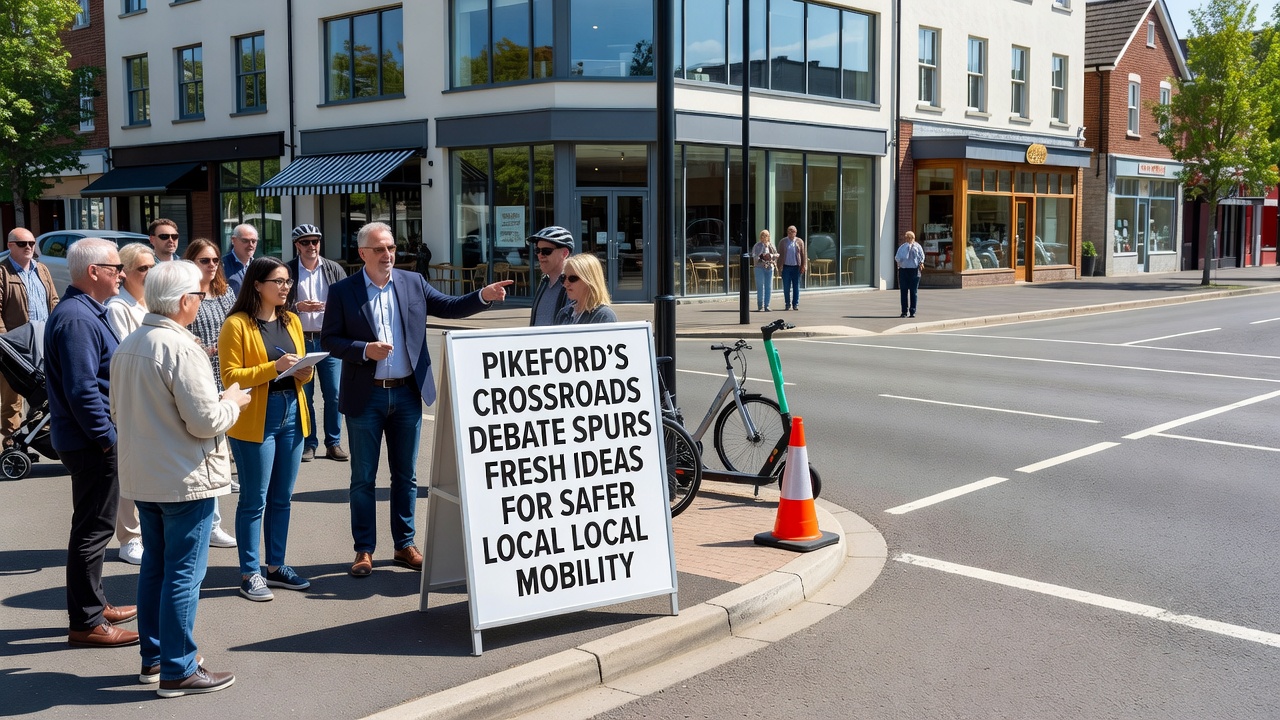
Pikeford's Crossroads Debate Spurs Fresh Ideas for Safer Local Mobility
Residents and local officials in Pikeford have gathered to examine longstanding issues at a key crossroads where vehicle traffic, pedestrian movement and cycling routes intersect daily, and the discussions have generated several proposals aimed at improving safety across the area. Data from regional transport reports shows that intersections like this one often see elevated rates of minor collisions and near-misses, prompting the current round of community input that began in early 2026 and continues through September 2026.
Background on the Crossroads Location
The crossroads sits at the junction of two main thoroughfares that carry both through traffic and local commuters, while surrounding neighborhoods rely on the same routes for walking and cycling access to schools and shops. Observers note that peak hours bring congestion that reduces visibility at turns and limits safe crossing opportunities, yet the site also serves as a natural hub where multiple mobility needs overlap. Figures from similar intersections across the UK and Europe indicate that targeted redesigns can reduce incidents by 20 to 40 percent when pedestrian priority measures and speed management are combined.
Key Proposals Emerging from the Debate
Participants outlined options that include adding raised pedestrian crossings with signal timing adjusted for foot traffic, installing a compact roundabout to slow vehicle speeds without full stops, and widening cycle lanes that connect to existing paths on either side of the junction. Another suggestion involves creating a shared-space zone where road markings are minimized and drivers must yield more readily to people on foot or bike, an approach that has shown positive results in trials reported by the European Transport Safety Council. Those who've studied comparable projects note that combining physical changes with clear signage often yields the strongest safety gains because it addresses both behavior and infrastructure at once.
September 2026 Timeline and Next Steps
Public sessions scheduled for September 2026 will allow further review of traffic modeling data and cost estimates before any design moves to formal consultation. Engineers have already collected baseline counts of vehicle volumes, pedestrian crossings and cyclist movements to compare against projected outcomes once changes are implemented. Research from the Australian Road Research Board demonstrates that locations adopting similar phased consultations achieve higher public acceptance rates and smoother rollout periods because residents contribute directly to the final plans.
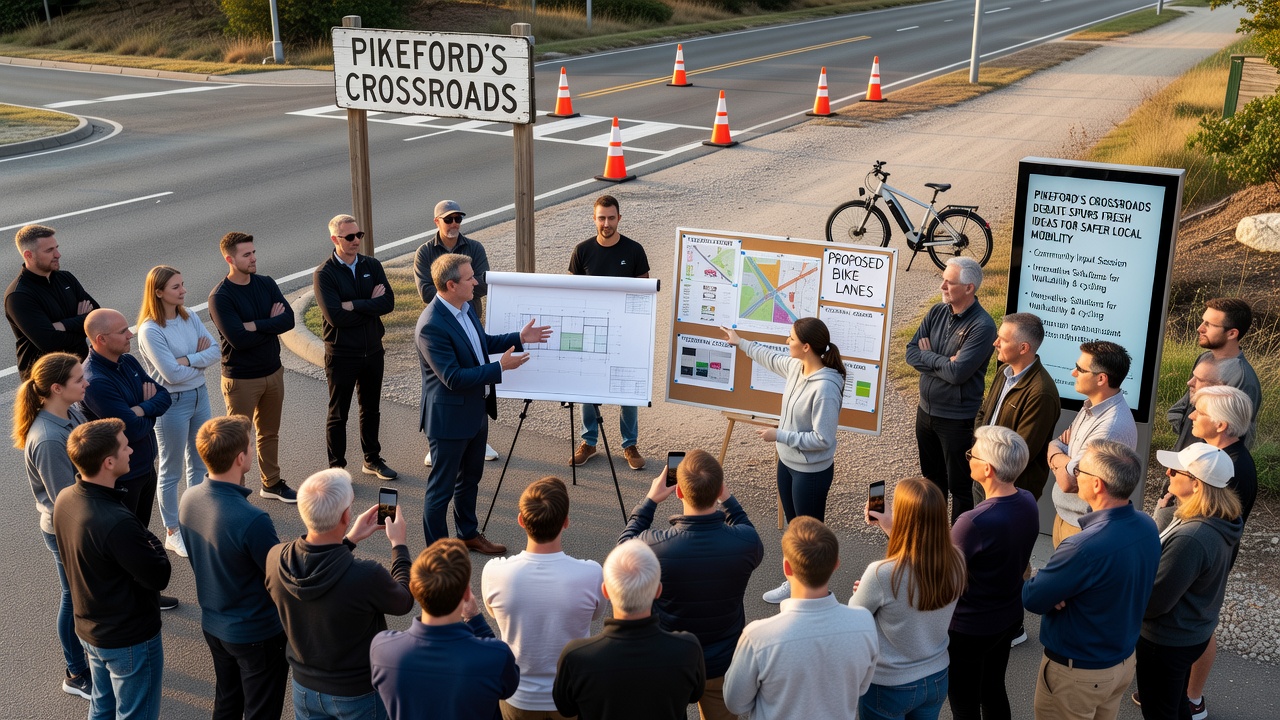
Additional ideas floated during the meetings include solar-powered lighting along the approaches to improve visibility after dark and temporary planters that can test narrowed carriageways before permanent construction begins. Data collected by Transport Canada on comparable pilot projects shows that such low-cost experiments help identify unintended effects like displaced traffic before larger investments are made. Observers point out that the current debate has also highlighted connections between mobility safety and broader local goals such as reduced emissions and better access for older residents who walk more frequently.
Supporting Evidence from Comparable Projects
Studies published by the National Highway Traffic Safety Administration in the United States reveal that intersections retrofitted with pedestrian refuge islands and adjusted signal phases experience measurable drops in injury crashes within the first year. In one documented case from a mid-sized European town, the addition of a raised table crossing combined with cycle lane extensions cut vehicle speeds by an average of 12 kilometers per hour and increased foot traffic to nearby businesses. Those patterns suggest that Pikeford could see parallel benefits if the chosen measures align with the specific volume and movement data already gathered at the site.
Conclusion
The ongoing discussions at Pikeford's crossroads continue to produce concrete suggestions that draw on established safety principles while reflecting local conditions. As the September 2026 sessions approach, updated modeling and resident feedback will shape which elements advance to detailed design and eventual implementation. The process underscores how community input at key junctions can translate into practical changes that support safer movement for all users.